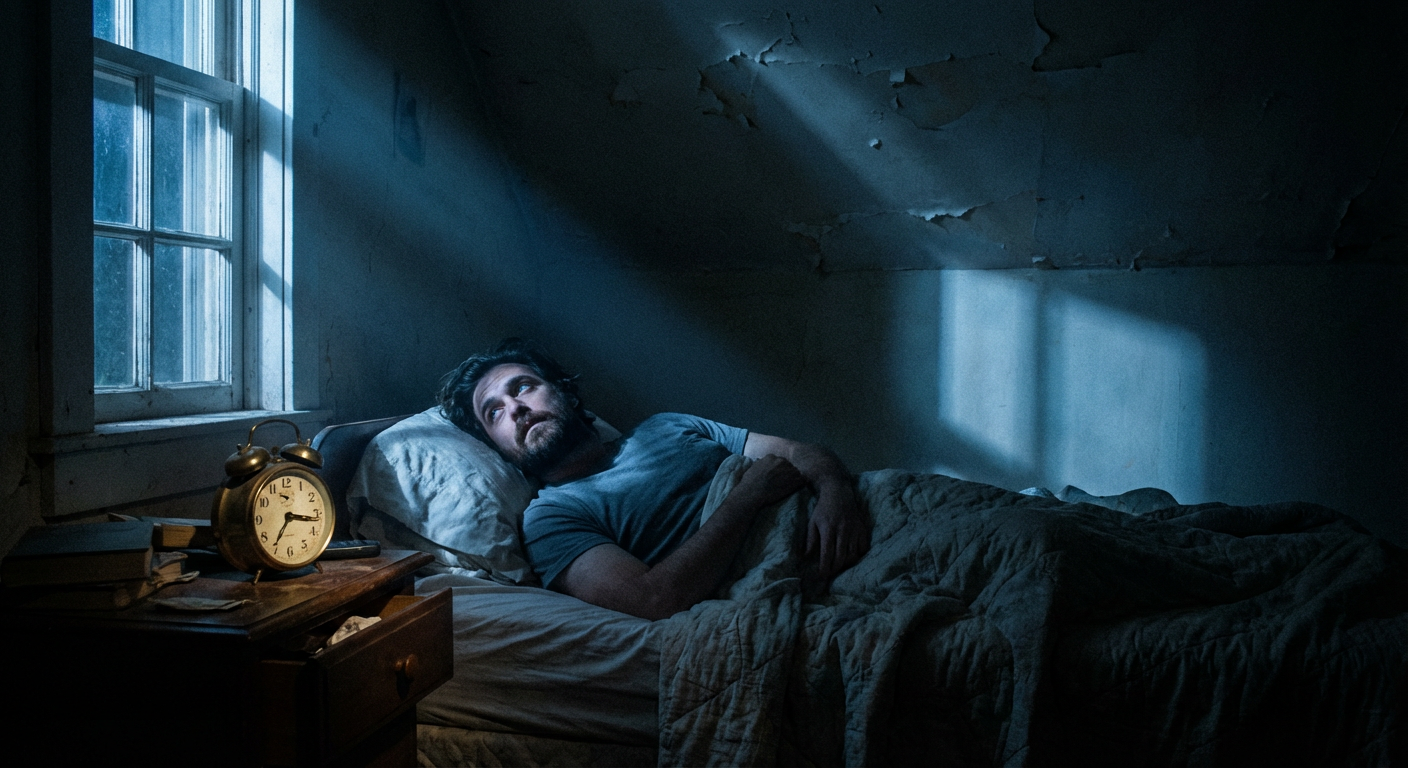
How Men Sleep Differently Than Women, And Why It Matters
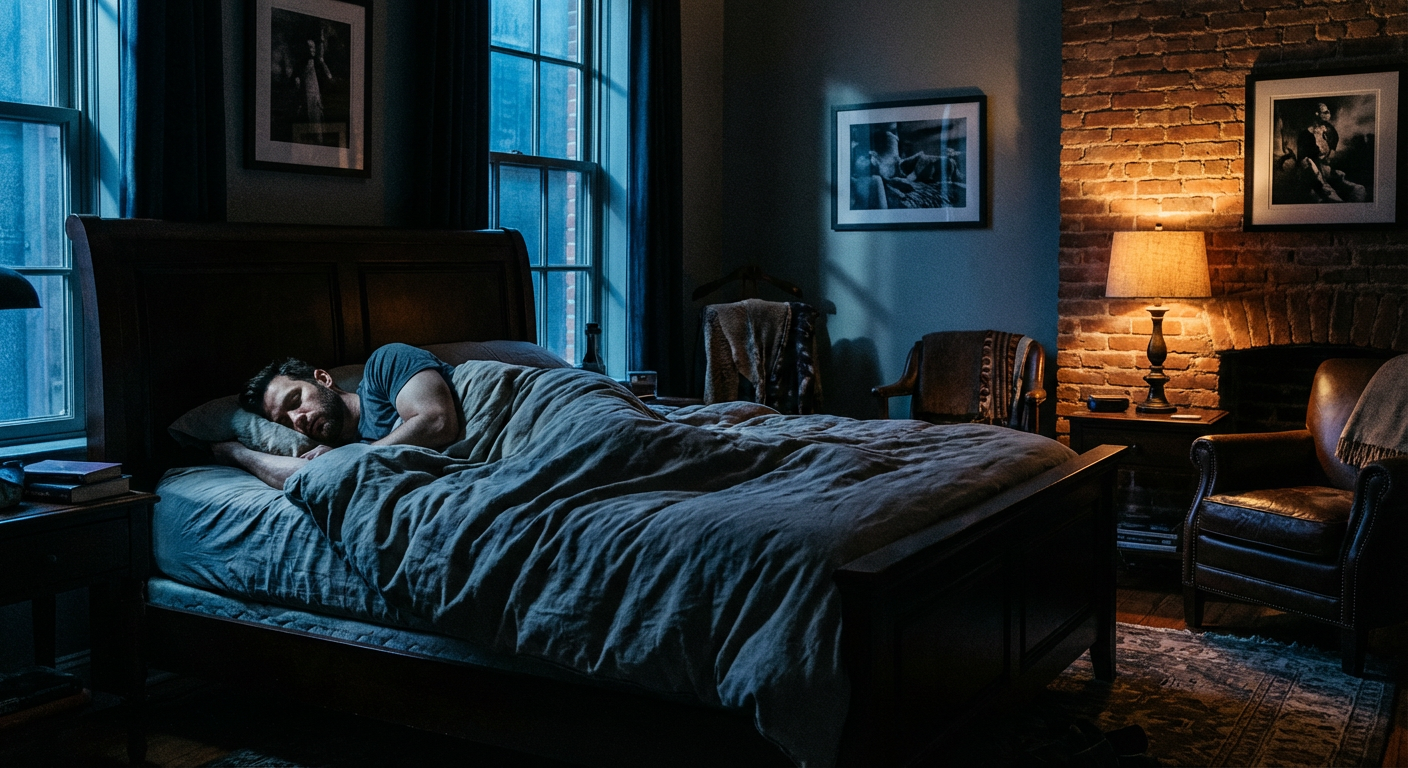
Men and women do not experience the same sleep cycles, and for the active male, these biological distinctions dictate everything from muscle recovery to hormonal health. Men typically enter deeper stages of slow-wave sleep more readily but face unique vulnerabilities like obstructive sleep apnea and testosterone suppression due to sleep fragmentation. Understanding these sex-specific mechanisms is the first step toward mastering your recovery and long-term performance.
How Do Male and Female Sleep Architectures Differ?
While the basic structure of human sleep is universal, the nuances of how we transition between stages vary significantly by biological sex. Research indicates that women often report lower sleep quality and take longer to fall asleep, yet men face distinct structural challenges in their sleep cycles. One of the primary drivers of these differences is the endocrine system: hormones like testosterone and estrogen serve as internal regulators of the circadian rhythm.
According to a comprehensive review, sex differences in sleep and circadian rhythms are evident across the lifespan, driven by both chromosomal influences and the fluctuating nature of sex steroids (Mong et al., Current Opinion in Physiology, 2018). For men, this means the sleep-wake cycle is often more rigid, but also more susceptible to environmental disruptions. Men tend to spend a higher percentage of their total sleep time in the deeper, non-REM stages during the first half of the night, which is essential for physical repair and growth hormone secretion.
Why Do Men Have Higher Percentages of Slow-Wave Sleep?
Slow-wave sleep (SWS), often referred to as "Deep Sleep," is the most restorative stage of the sleep cycle. It is during this time that the body repairs tissues, builds bone and muscle, and strengthens the immune system. Interestingly, men often maintain higher levels of SWS than women during early adulthood, though this advantage tends to decline more sharply as men age. This higher percentage of SWS in younger men may be an evolutionary adaptation to support higher lean muscle mass and physical exertion levels.
However, having more slow-wave sleep does not necessarily mean men are getting "better" sleep. While the depth of sleep is significant, men are frequently plagued by more frequent arousals or "micro-awakenings." These disruptions can prevent the body from staying in SWS long enough to reap the full hormonal benefits, particularly the release of luteinizing hormone, which signals the testes to produce testosterone. To see how your current habits are impacting your deep sleep stages, you can take our the free sleep assessment.
How Does Sleep Quality Impact Testosterone Production?
For men between the ages of 25 and 45, the relationship between sleep and testosterone is one of the most critical factors in physical performance. Testosterone is not produced at a constant rate throughout the day: instead, the majority of daily testosterone release occurs during sleep. Specifically, levels begin to rise upon falling asleep and peak during the first bout of REM sleep.
When sleep is fragmented or restricted, this process is severely compromised. Studies focusing on sex differences have noted that fragmented sleep has a more immediate and detrimental impact on the male endocrine profile compared to females (Mallampalli & Carter, Journal of Women's Health, 2014). Even one week of restricted sleep (five hours per night) can lower testosterone levels by 10 to 15 percent, a decline equivalent to nearly a decade of aging. This hormonal dip leads to decreased libido, reduced muscle protein synthesis, and increased body fat. Optimization of the sleep environment is therefore not just about "rest," it is about maintaining your biological baseline through the formula page insights.
Why Are Men More Vulnerable to Sleep Apnea?
One of the most significant sex-based differences in sleep health is the prevalence of Obstructive Sleep Apnea (OSA). Men are significantly more likely to suffer from OSA than pre-menopausal women, a gap that is often attributed to differences in fat distribution and upper airway anatomy. Men tend to carry more adipose tissue around the neck and midsection, which can put physical pressure on the airway when the muscles relax during sleep.
The impact of OSA goes beyond simple snoring. Each time the airway collapses, oxygen levels drop, triggering a "fight or flight" response that jerks the brain out of deep sleep. This prevents the progression into the restorative SWS and REM stages required for cognitive function and hormonal balance. Because men often have narrower airways and different soft tissue structures in the throat, they must be hyper-vigilant about symptoms like daytime fatigue, morning headaches, and gasping during the night.
How Does Alcohol Affect the Male Brain During Sleep?
While many men use a "nightcap" to unwind after a high-stress day or intense training session, the male biological response to alcohol is particularly disruptive to sleep architecture. Alcohol is a sedative that may help you fall asleep faster, but it acts as a potent disruptor of REM sleep. As the liver metabolizes the alcohol, the body experiences a "rebound effect," leading to frequent awakenings and intense, fragmented sleep in the second half of the night.
Furthermore, alcohol can exacerbate the aforementioned risk of sleep apnea. It relaxes the muscles in the throat more than usual, making airway collapse more likely even in men who do not typically suffer from OSA. For the man focused on recovery, the trade-off is rarely worth it: the suppression of REM sleep and the increase in heart rate during the night ensures that the body spends its resources processing toxins rather than repairing muscle tissue. If you are looking for a way to wind down without the metabolic cost of alcohol, DOZE offers a science-backed alternative to support the evening transition.
What Are the Practical Takeaways for Men?
Understanding that male sleep is structurally more vulnerable to fragmentation allows for targeted interventions. Because men are more prone to airway issues and testosterone suppression, the following protocols are essential for maintaining peak performance:
- Prioritize Sleep Continuity: Because testosterone depends on uninterrupted sleep blocks, focus on "sleep efficiency" rather than just "time in bed." Minimize light, noise, and temperature fluctuations that cause micro-awakenings.
- Monitor Respiratory Health: If you find yourself waking up exhausted despite getting 8 hours of sleep, consider a screening for sleep apnea. Managing weight and side-sleeping can also mitigate airway collapse.
- Alchemize Your Evening Routine: Avoid alcohol and heavy meals within three hours of sleep. These interfere with the slow-wave sleep that men typically rely on for physical recovery.
- Standardize Your Wake-Up Time: Men's circadian rhythms are sensitive to consistency. Waking up at the same time every day, even on weekends, anchors the hormonal peaks of cortisol and testosterone.
Ultimately, the goal for men is to protect the deep sleep phases they naturally possess while minimizing the disruptions that their biology is prone to. When you align your lifestyle with your sex-specific sleep needs, you unlock a higher level of cognitive clarity and physical resilience.
Ready to Optimize Your Recovery?
Your sleep architecture is a blueprint for your performance. If you are ready to stop guessing and start optimizing, take the first step toward better recovery. Take the free sleep assessment to identify your specific sleep inhibitors, or explore how DOZE can help you achieve the deep, uninterrupted sleep your body requires.