The Male Recovery Cascade: 5 Systems That Control Overnight Recovery
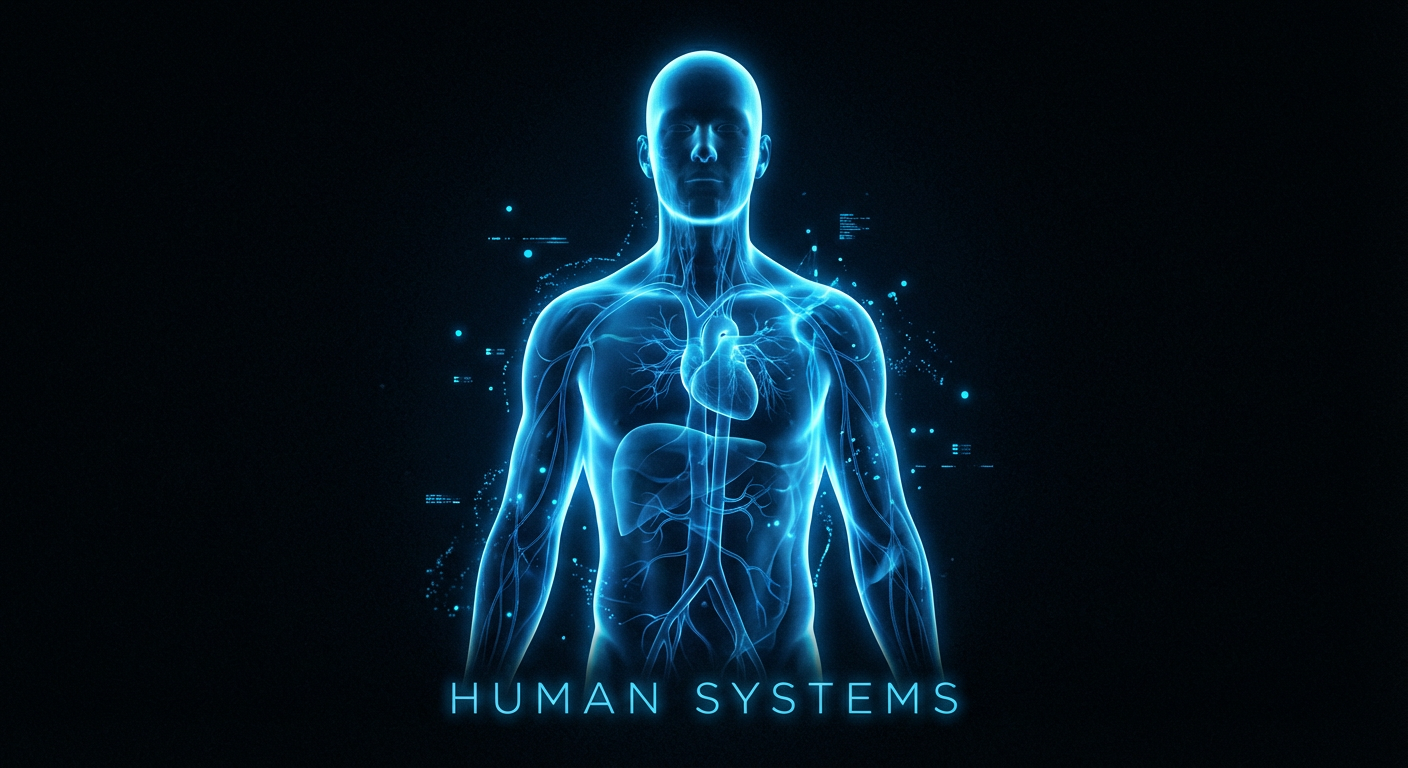
Optimizing overnight recovery is more than just getting eight hours of horizontal time. For the active male, sleep serves as a biological construction site where hormonal, neurological, and structural systems synchronize to repair tissue and replenish energy stores. Understanding this sequential recovery cascade is the first step toward mastering your physiology and maximizing your training results.
How Do Hormonal Cycles Drive Your Anabolic Window?
The first major gear in the recovery cascade is the endocrine system. For men who train, the pulses of growth hormone (GH) and testosterone that occur during sleep are the primary drivers of muscle hypertrophy and fat metabolism. Unlike during the day, where hormone release can be erratic and reactive to stress, overnight release follows a strictly regulated rhythm tied to specific sleep stages.
Research indicates that approximately 70% of daily growth hormone secretion occurs during deep, slow-wave sleep. If this stage is interrupted or shortened, the body loses its prime opportunity for cellular repair. Furthermore, sleep restriction has a direct inhibitory effect on testosterone production. One landmark study found that sleep debt significantly reduces the neuroendocrine windows required for protein conservation and muscle mass maintenance (Dattilo et al., Sleep Medicine Reviews, 2011). Without these hormonal pulses, your body remains in a catabolic state, regardless of how much protein you consume during the day.
This hormonal rhythm acts as the "manager" of the construction site. It signals to the rest of the body that it is time to move from a state of breakdown into a state of growth. To see if your patterns align with these natural rhythms, you can take the free sleep assessment to identify potential hormonal bottlenecks.
Why Is Immune Function Critical for Muscle Repair?
We often view the immune system only through the lens of fighting off a cold, but for the athlete, the immune system is the primary technician of muscle repair. Intense training creates micro-trauma in muscle fibers, triggering an inflammatory response that is necessary for adaptation. The immune system manages this inflammation, clearing out damaged cellular debris and signaling satellite cells to begin the rebuilding process.
Sleep and the circadian system are the primary regulators of these immunological pathways. During the night, the balance of pro-inflammatory and anti-inflammatory cytokines shifts to facilitate tissue healing. According to comprehensive research, sleep promotes the release of specific immune cells and signaling molecules that strengthen both long-term "memory" for pathogens and the immediate repair of physical tissue (Besedovsky et al., Physiological Reviews, 2019). When sleep is truncated, this immune signaling is blunted, leading to chronic systemic inflammation and delayed recovery from training sessions.
Does Your Brain Have a Literal Drainage System?
While the muscles are rebuilding, the brain is undergoing a physical cleaning process. This is the Glymphatic System: a functional waste clearance pathway that becomes highly active during sleep. Think of it as a pressure-wash for your central nervous system. During wakefulness, the brain’s metabolic activity creates "waste" products, including proteins like beta-amyloid, that accumulate in the interstitial space.
The discovery of the glymphatic system revealed that during sleep, the space between brain cells increases by up to 60%, allowing cerebrospinal fluid to flush through the brain and carry away these metabolic toxins (Xie et al., Science, 2013). For men focusing on cognitive performance and motor skill acquisition, this process is non-negotiable. If you aren't clearing this neural "trash" every night, your reaction times, focus, and coordination will suffer the following day. Maintaining a clean neural environment is a core pillar of the formula page, where we prioritize ingredients that support deep, restorative sleep cycles.
How Does Sleep Deprivation Sabotage Your Metabolism?
Recovering from a workout requires energy, specifically in the form of glycogen. However, the body’s ability to manage glucose is heavily dependent on the quality of your sleep. When you are sleep-deprived, your insulin sensitivity drops to levels comparable to those seen in pre-diabetic individuals. This metabolic dysfunction prevents your muscles from efficiently soaking up the carbohydrates they need to replenish glycogen stores.
Classic research in this field demonstrated that even one week of restricted sleep significantly impairs glucose tolerance and increases evening cortisol levels, which further inhibits recovery (Spiegel et al., The Lancet, 1999). In this state, your body struggles to shuttle nutrients into the muscle cells where they are needed for repair. Instead, the body is more likely to store those nutrients as adipose tissue. For the man trying to stay lean while gaining strength, metabolic recovery is the bridge between nutrition and physical results.
Can You Build Muscle While You Sleep?
The final stage of the recovery cascade is structural: muscle protein synthesis (MPS). While the hormonal and immune systems provide the signals, MPS is the actual physical labor of laying down new muscle fibers. For years, athletes believed that recovery was something that happened "around" sleep, but we now know that sleep is the optimal window for protein integration into the muscle matrix.
Newer research into "sleep-fed" protein synthesis shows that while MPS rates naturally drop during the night, they can be maintained and even elevated if the body is in a deep state of recovery. Studies have confirmed that specific nutritional timing, combined with consolidated sleep, allows for high rates of protein synthesis overnight, directly translating to increased muscle mass and strength over time (Trommelen & van Loon, The Journal of Nutrition, 2016). This is the structural completion of the cascade: the hormones signal, the immune system cleans, and the metabolic system provides the energy, allowing the structural systems to finalize the repair.
How Do These Systems Work Together?
These five systems do not operate in isolation: they are a sequential chain reaction. If the neural system doesn't clear waste, the brain doesn't signal the hormonal pulses correctly. If the hormonal pulses are weak, the metabolic system becomes inefficient. If the metabolic system can't provide energy, the structural system cannot rebuild muscle tissue. This is why a "hack" for one system rarely works: you must support the entire cascade.
Most men try to fix their recovery with more caffeine or extra protein shakes, but those are daytime solutions for a nighttime problem. To truly optimize the recovery cascade, you must ensure that your biology is set up to transition into these deep recovery states without interruption. This involves light management, temperature control, and targeted supplementation like DOZE to support the natural architecture of your sleep cycles.
Ready to Optimize Your Recovery?
If you are training hard but not seeing the results you expect, the bottleneck is likely your overnight recovery cascade. Don't leave your progress to chance. Start by identifying the specific gaps in your nightly routine by taking the free sleep assessment.
Once you understand your baseline, you can proactively support your hormonal, immune, and neural health. Explore the science behind our recovery support at DOZE and ensure your body has the raw materials it needs to execute its nightly repair mission.